

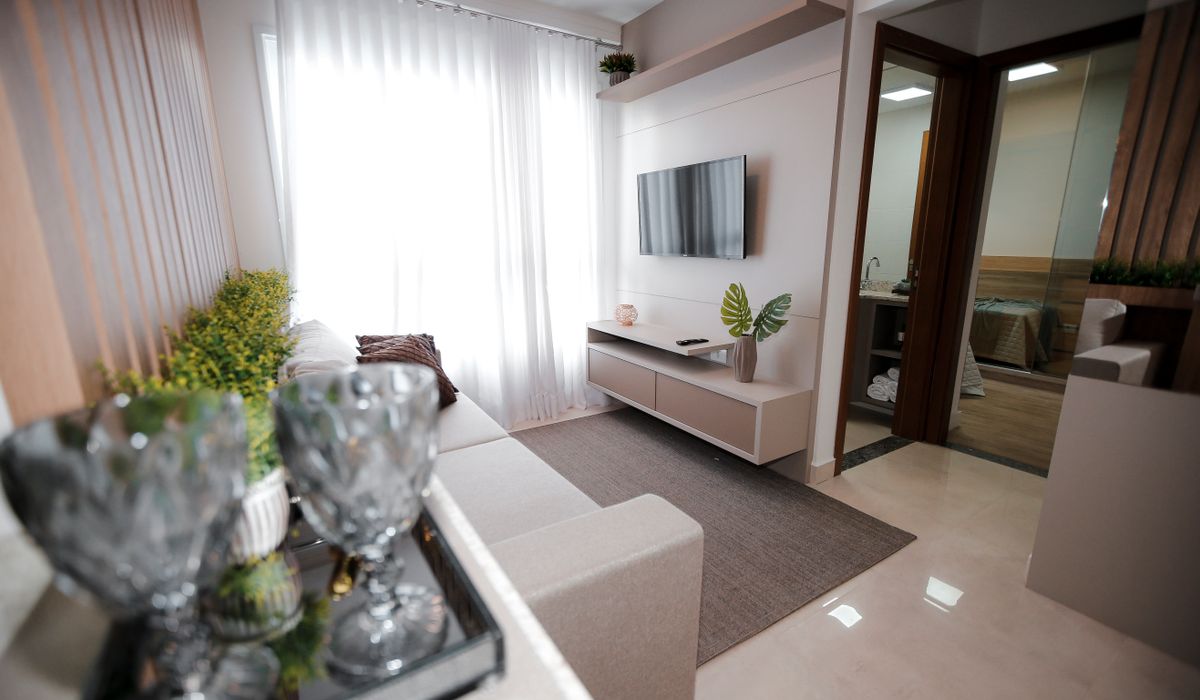
How to Create a Calm Bedroom for Better Rest
Sleep is not something you can force, but it is something you can encourage. The room you sleep in sends quiet signals to your nervous system all evening long, and those signals either help you unwind or keep you subtly on edge. The good news is that a calmer bedroom rarely requires a full renovation. More often it comes down to light, texture, order, and a handful of small choices that make the space feel softer the moment you walk in.
If you have been lying awake staring at a ceiling you know too well, the answer may be less about willpower and more about your surroundings. Here is how to style a bedroom that genuinely supports deeper, more consistent rest.
Start With Light, Because Light Sets the Tone
Light is the single most powerful cue your body uses to decide whether it is time to be alert or time to rest. Bright overhead lighting at ten in the evening tells your brain it is still daytime, which delays the release of melatonin and makes falling asleep harder.
Swap your main ceiling light for softer, lower-level lighting in the hour before bed. A pair of bedside lamps with warm white bulbs, a small table lamp on a chest of drawers, or even a dimmable floor lamp will do far more for your sleep than most people expect. Aim for warm tones rather than cool blue-white light, which feels harsh and activating.
Then deal with the morning. Blackout blinds or lined curtains are one of the best investments you can make for consistent sleep, particularly in the UK where summer light creeps in before five in the morning. Look for a proper blackout lining rather than a decorative dim-out fabric, and fit them close to the window so light does not leak around the edges. If you rent and cannot fit new blinds, a tension rod with a blackout panel works surprisingly well behind existing curtains.
Layer Soft Textiles for Comfort and Quiet
Textiles absorb sound, soften hard surfaces, and make a room feel held rather than exposed. This is where a bedroom starts to feel like a sanctuary rather than just another room with a bed in it.
- Bedding: Choose natural fibres such as cotton, linen, or bamboo, which breathe and help regulate your temperature through the night. A cotton percale feels crisp in summer, while brushed cotton or flannel is lovely in winter.
- Layers: Rather than one heavy duvet, use a medium tog duvet plus a lightweight throw. You can adjust easily if you wake up too warm at three in the morning.
- Rugs: A rug beside the bed is kind underfoot and reduces echo in rooms with hard flooring.
- Cushions: Keep them to two or three. A pile of decorative cushions you have to remove every night becomes a chore, not a comfort.
- Curtains and a headboard: Both soften the acoustics of the room and add a sense of enclosure, which many people find soothing.
Texture matters too. Mixing a linen duvet with a chunky knit throw and a smooth cotton sheet creates visual softness without clutter. Stick to a restrained palette of two or three complementary shades so the eye can rest.
Clear the Bedside Table and the Mind Follows
A cluttered bedside table is a small thing that quietly nags at you. Unfinished admin, half-empty mugs, tangled chargers, and a stack of books you feel guilty about all keep the brain gently switched on.
Strip it back to essentials. A lamp, a glass of water, perhaps one book, and a small dish for jewellery. That is enough. If you need storage, use a bedside table with a drawer so the surface stays clear, and keep a basket underneath for anything that accumulates.
The wider room benefits from the same treatment. Visible clutter is linked to raised levels of the stress hormone cortisol, so if you can see washing, paperwork, or exercise equipment from the pillow, consider whether it belongs in the bedroom at all. A woven storage basket or an ottoman with hidden storage is a practical compromise if space is tight. Tidy surfaces signal to your brain that the day is closed, which makes the transition to sleep far easier.
Consider Scent, Sound, and Temperature
These three factors are easy to overlook, yet they shape how restful a room feels within seconds.
- Temperature: Most people sleep best in a room around 16 to 18 degrees Celsius. Crack a window before bed, or turn the radiator down in the bedroom and keep the rest of the house warmer.
- Scent: A few drops of lavender or cedarwood on a diffuser, or a linen spray on your pillows, can become a powerful cue that sleep is coming. Keep it subtle; strong synthetic fragrance can be irritating.
- Sound: If traffic or neighbours disturb you, a white noise machine, a fan, or even a firmer closing curtain can help mask sudden noises.
- Air: A quick airing each morning freshens the room and helps prevent stuffiness, which often wakes people in the early hours.
Build a Small Evening Ritual
A calm bedroom is not just about how it looks, but how it is used. A short, repeatable routine teaches your body what comes next. Ten minutes is plenty: dim the lamps, fold the throw at the end of the bed, set out tomorrow's clothes so mornings are easier, and leave your phone charging outside the room or face down on the chest of drawers.
Keep the bed for sleep. Working, scrolling, or watching television under the duvet blurs the association between the bed and rest. If you do read in bed, use a warm-toned clip lamp rather than a bright overhead light.
None of this needs to be expensive or perfectly styled. A blackout lining, a softer lamp, a clear bedside table, and bedding you actually enjoy touching will do more for your sleep than any trend-led makeover. Build it slowly, one small change at a time, and let your bedroom become the quietest, kindest room in the house.


Interiors
-
Reclaimed timber, recycled glass worktops, and low-VOC paints reduce environmental impact while adding character and warmth to a hardworking kitchen space.


Small Spaces




-

Long established fact that a reader will be distracted
-

Long established fact that a reader will be distracted
-

Long established fact that a reader will be distracted




Styling
Karla Gleichauf
12 May 2017 at 05:28 pm
On the other hand, we denounce with righteous indignation and dislike men who are so beguiled and demoralized by the charms of pleasure of the moment
M Shyamalan
12 May 2017 at 05:28 pm
On the other hand, we denounce with righteous indignation and dislike men who are so beguiled and demoralized by the charms of pleasure of the moment
Liz Montano
12 May 2017 at 05:28 pm
On the other hand, we denounce with righteous indignation and dislike men who are so beguiled and demoralized by the charms of pleasure of the moment