

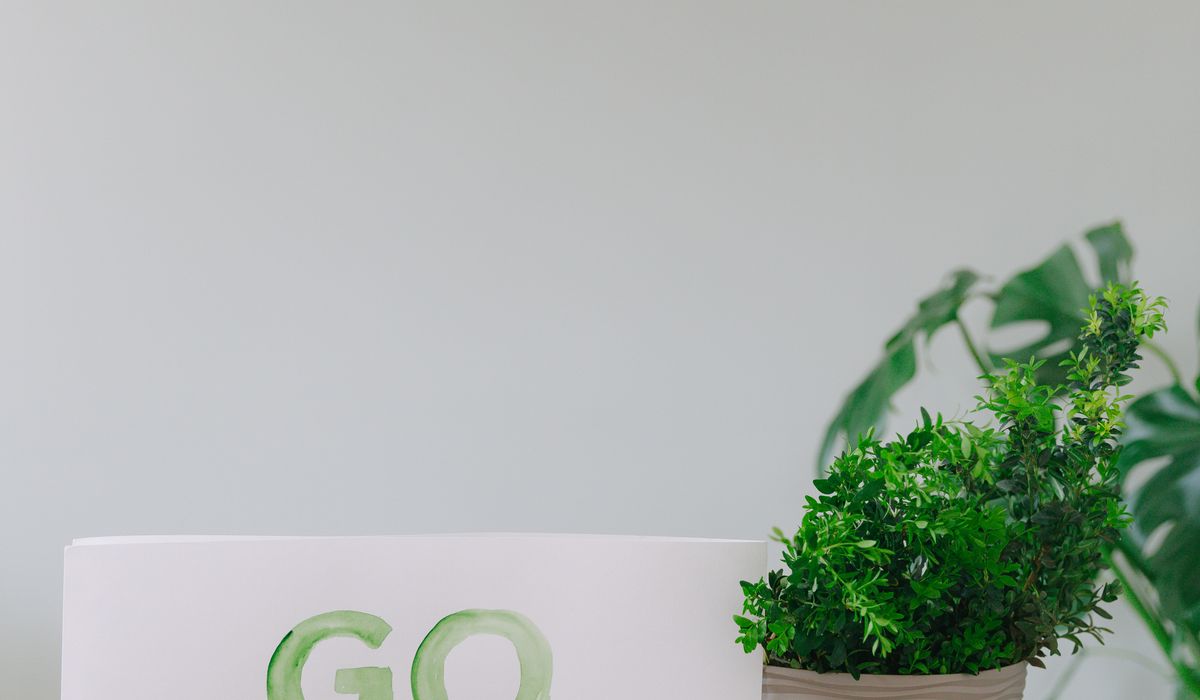
Choosing Eco-Friendly Fabrics for Soft Furnishings
The Case for Eco-Friendly Soft Furnishings
Soft furnishings — curtains, cushions, throws, and upholstery — are the layers that make a house feel like home. They add colour, texture, and comfort. But they also carry a hidden environmental cost. Conventional fabrics often rely on intensive farming, heavy water use, and chemical processing. Because these items cover large areas and tend to stay in place for years, choosing eco-friendly fabrics is one of the most effective ways to lower the impact of your interior. The good news is that sustainable options are no longer niche. Linen, organic cotton, and recycled wool are durable, beautiful, and widely available. They age gracefully, which means you replace them less often — a quiet win for both your home and the planet.
Linen: The Long-Lasting Classic
Linen is made from the flax plant, which grows happily in poor soil and needs far less water than cotton. It is also a natural fibre that can be grown with minimal pesticides. For soft furnishings, linen is a superb choice because it is strong, breathable, and becomes softer with every wash. A medium-weight linen works well for curtains, giving a relaxed drape and filtering light beautifully. Heavier weights suit upholstery and cushions, where their natural slubs add texture. Look for European flax, which is often rain-fed and processed with fewer chemicals. To keep linen at its best, wash it in cool water on a gentle cycle and line dry away from direct sunlight. Avoid tumble drying, which can shrink the fibres and shorten the life of your curtains or covers.
Organic Cotton: Soft, Strong, and Sustainably Grown
Conventional cotton is one of the thirstiest crops on earth, and it accounts for a significant share of global pesticide use. Organic cotton is different. It is grown without synthetic chemicals, using methods that build healthy soil and conserve water. The result is a fibre that is softer, kinder to skin, and safer for the farmers who grow it. For cushions, slipcovers, and lightweight curtains, organic cotton is a practical everyday choice. Choose long-staple organic cotton where you can — it is more durable and resists pilling. Check for the GOTS label, which covers organic content as well as social and environmental criteria. Care is simple: wash less often, spot clean when possible, and use a cool, gentle cycle. Air drying will keep the fabric crisp and reduce energy use.
Recycled Wool: Warmth Without the Waste
Wool is a remarkable fibre. It regulates temperature, resists stains naturally, and lasts for decades if cared for. But virgin wool has a footprint, especially when it comes to land use and processing. Recycled wool changes that. It is made from post-consumer garments, mill offcuts, or industrial waste that is shredded, cleaned, and re-spun into new yarn. The resulting fabric is warm, hard-wearing, and perfect for upholstery, throws, and cushions. Look for the Global Recycled Standard to confirm recycled content and responsible processing. Recycled wool can be a little coarser than virgin wool, so feel the fabric before you commit. For care, air it regularly rather than washing. When needed, use a gentle wool cycle or a specialist dry clean. Always store folded, not hung, to keep its shape.
Blends, Certifications, and Practical Checks
Blends can be a smart choice. A linen-cotton mix, for example, combines linen's texture with cotton's softness and can be more affordable. A wool-recycled polyester blend may improve durability for high-traffic upholstery. The key is to ask what the blend is for — and whether it helps the item last longer. Certifications are your shortcut to confidence. GOTS covers organic textiles from field to finished product. OEKO-TEX Standard 100 means the fabric has been tested for harmful substances. The Global Recycled Standard verifies recycled content. The EU Ecolabel flags products with reduced environmental impact across their life cycle. For upholstery, check the Martindale rub count — 20,000 for light domestic use, 25,000 to 30,000 for general use. For curtains, consider a natural lining like cotton or recycled polyester to add thermal insulation and protect the main fabric from sunlight.
Making Your Soft Furnishings Last
The greenest fabric is the one you keep using. Extending the life of curtains, cushions, and upholstery is the single most effective way to lower their impact. Rotate cushions so they wear evenly. Vacuum upholstery monthly with a soft brush attachment to lift dust and grit that abrade fibres. Wash according to the care label, but err on the side of cool water and gentle cycles. Mend small tears and loose seams promptly — a quick stitch now prevents a larger repair later. Keep curtains out of direct sunlight when possible to slow fading. And choose timeless designs in colours and patterns you will love for years. When you do need to replace something, consider re-covering a favourite chair rather than buying new, or pass on what you no longer need. With a little care, eco-friendly fabrics will reward you with comfort, character, and a clear conscience for many seasons.


Interiors
-
Keep only essentials within reach, then add a small lamp, a book, and a single decorative object to create a calm and functional bedside arrangement.
Small Spaces




-

Long established fact that a reader will be distracted
-

Long established fact that a reader will be distracted
-

Long established fact that a reader will be distracted




Styling
Karla Gleichauf
12 May 2017 at 05:28 pm
On the other hand, we denounce with righteous indignation and dislike men who are so beguiled and demoralized by the charms of pleasure of the moment
M Shyamalan
12 May 2017 at 05:28 pm
On the other hand, we denounce with righteous indignation and dislike men who are so beguiled and demoralized by the charms of pleasure of the moment
Liz Montano
12 May 2017 at 05:28 pm
On the other hand, we denounce with righteous indignation and dislike men who are so beguiled and demoralized by the charms of pleasure of the moment