

How to Lay a Cosy Living Room Rug
Start with the Seating Area, Not the Floor
A living room rug is not wallpaper for your floorboards. Its real job is to pull the furniture together into one coherent group, so that a sofa floating in a large room suddenly feels deliberate and grounded. That single idea should guide every decision you make, from the size you buy to where you finally shuffle it into place. If you get the anchoring right, everything else — colour, pattern, texture — becomes far easier to live with.
So before you measure anything, stand in your room and look at the arrangement of sofa, chairs and coffee table. That cluster is the zone you are defining. The rug sits underneath it, not under the whole room.
Measuring: The Golden Rules
Grab a tape measure and a roll of masking tape or painter's tape. Tape out the rectangle you think you want on the floor, then live with it for a day or two. It sounds fussy, but it saves an expensive mistake.
Two measurements matter most:
- The size of your seating group. Measure from the front edge of the sofa to the front edge of the opposite seating, and across the full width of the arrangement including side tables if they sit within the group.
- The floor left visible around the edges. Aim to leave roughly 30–45cm of bare floor between the rug edge and the walls in a typical UK living room. In a small room, you can go tighter, but never let the rug run right up to the skirting — it makes the space feel cramped rather than generous.
A common mistake is buying a rug that is too small. A postage-stamp rug in the middle of a large seating group looks mean and makes the room feel unbalanced. As a rough guide, most three-seater sofas suit a rug of at least 200 x 290cm, and larger rooms often need 250 x 350cm or more.
Choosing the Right Size for Your Layout
How much furniture sits on the rug changes the size you need. Here are the three layouts that cover most British living rooms:
- All legs on. The sofa and chairs sit fully on the rug, with the coffee table centred. This is the most generous, most cohesive look and needs the largest rug — usually the full footprint of the seating group plus 20–30cm all round.
- Front legs on. The sofa's front legs and the chairs' front legs rest on the rug, with the back legs on the floor beyond it. This is the most practical option for most homes and works beautifully in medium-sized rooms. The rug should extend at least 60cm beyond the front legs of the sofa so it reads as intentional.
- No legs on. Everything sits off the rug, with the coffee table alone on it. This only works if the rug is large enough to reach the front legs anyway — otherwise it looks like a bath mat that has wandered into the wrong room.
If you are between two sizes, always go larger. An oversized rug feels luxurious; an undersized one rarely does.
Placement, Proportion and the Shape of the Room
Rectangular rugs suit rectangular rooms and L-shaped sofas best. A round rug can soften a boxy bay-window nook or sit neatly under a pair of armchairs, but it is harder to place under a long sofa without looking disconnected. Runners belong in hallways, not in the middle of a living room.
Centre the rug on the coffee table, then check from the doorway. Walk in and out a few times. The rug should feel like it belongs to the seating group, not to the walls. If your room is open-plan, use the rug to define the living zone and leave a clear margin of flooring between it and the dining area — that gap does the work of a wall.
Also think about traffic. If a walkway cuts through the room, either let the rug sit clear of it or choose a low-pile style you can walk over comfortably. Nobody enjoys tripping on a curled edge on the way to the kitchen.
Colour, Texture and Layering
In a cosy scheme, texture carries as much weight as colour. Wool is the traditional choice for good reason: it is warm underfoot, hard-wearing, and holds its shape. For busy family rooms, a wool-blend or a flatweave is more forgiving. Add a sheepskin or a smaller cotton rug on top of a plain base for extra softness near the sofa — layering is a wonderfully British way of making a room feel lived in.
For colour, pick one of two routes. Either choose a rug that echoes the walls and upholstery for a calm, seamless look, or use it as the one bold moment in a neutral scheme. A deep terracotta, a muted olive or a faded Persian pattern will warm up grey floorboards and pale sofas instantly. Keep the rest of the room quiet if the rug is doing the talking.
Finishing Touches That Make It Feel Settled
A few practical details turn a good rug into a great one:
- Use an anti-slip underlay. It stops the rug creeping, protects the floor, and adds a layer of cushioning underfoot.
- Tame the corners. New rugs often curl. Roll them the opposite way for a day, or weigh the corners down with books for a few evenings.
- Turn it regularly. Rotate the rug every six months so it wears evenly, especially in front of a much-used sofa.
- Leave breathing room by the fire. Keep at least 60cm between the rug edge and a hearth or woodburner for safety and for the look of the thing.
Get these things right and your rug will quietly do its job for years — softening footsteps, warming the floor, and holding the whole room together.


Interiors
-
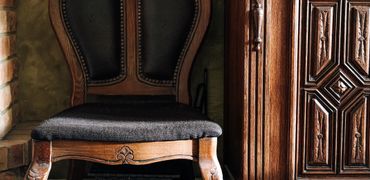
A single vintage chair or aged mirror can add character to a contemporary scheme when you balance old pieces with clean lines and neutral backgrounds.
Small Spaces




-

Long established fact that a reader will be distracted
-

Long established fact that a reader will be distracted
-

Long established fact that a reader will be distracted



Styling
Karla Gleichauf
12 May 2017 at 05:28 pm
On the other hand, we denounce with righteous indignation and dislike men who are so beguiled and demoralized by the charms of pleasure of the moment
M Shyamalan
12 May 2017 at 05:28 pm
On the other hand, we denounce with righteous indignation and dislike men who are so beguiled and demoralized by the charms of pleasure of the moment
Liz Montano
12 May 2017 at 05:28 pm
On the other hand, we denounce with righteous indignation and dislike men who are so beguiled and demoralized by the charms of pleasure of the moment