

Incorporating Vintage Finds into a Modern Home
Why Vintage Works in a Contemporary Room
A modern interior that has been assembled entirely from a single season's catalogue can feel a little flat. It is beautifully finished, but it has nothing to say about you. This is where a vintage piece earns its place. A single mid-century armchair, a foxed mirror, a battered pine chest — these objects bring history, texture and a certain softness that new furniture rarely manages. They also solve a practical problem: they stop a room from looking like a showroom and make it look lived in.
The key is restraint. Nobody wants a cottage parlour in a newly refurbished flat. You are not decorating a period home; you are layering one or two old pieces into a clean contemporary scheme so that each element makes the other look better. Clean lines keep the vintage from feeling fusty, and the vintage keeps the clean lines from feeling cold.
Start with a Single Statement Piece
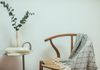
If you are new to mixing eras, resist the temptation to buy a whole room's worth of antiques at once. Begin with one confident piece and let the rest of the scheme stay quiet around it. A dining chair with a cane back, a carved wooden stool used as a bedside table, a chipped enamel jug on a kitchen shelf — any of these can carry a room without overwhelming it.
When choosing that first piece, ask yourself three questions:
- Does it have a good silhouette? Shape matters more than pristine condition. A strong outline reads well even when the finish is imperfect.
- Does the scale suit the room? A heavy Victorian chest will swallow a small modern bedroom; a slim 1950s sideboard will hold its own under a large window.
- Will you still love it in five years? Buy because the form appeals to you, not because a particular decade is fashionable this season.
If you can only manage one purchase, make it something you use daily — a chair you actually sit in, a mirror you check on your way out of the door. Vintage objects that are used age gracefully and become part of the fabric of the home.
The Power of a Neutral Backdrop
Vintage pieces sing against calm. If your walls are painted in a soft off-white, a warm mushroom or a muted grey-green, an old chair in faded velvet or a brass lamp with a tarnished base will look deliberate rather than random. Busy wallpaper and bold vintage fabric competing with one another, on the other hand, tends to look chaotic.
Treat your walls, floors and large upholstered pieces as the stage. Keep them simple: pale walls, a neutral rug, plain linen curtains, a sofa in a solid colour. Then allow the vintage items to be the points of interest. You will find that the older something is, the more it benefits from the breathing space of a quiet background.
Balance Old and New with Deliberate Contrast
The trick to making a mix look intentional is contrast in the right places and harmony everywhere else. Pair a rustic piece with something sleek so the difference is obvious and clearly a choice.
- Set an ornate gilded mirror above a plain modern console rather than a carved wooden one.
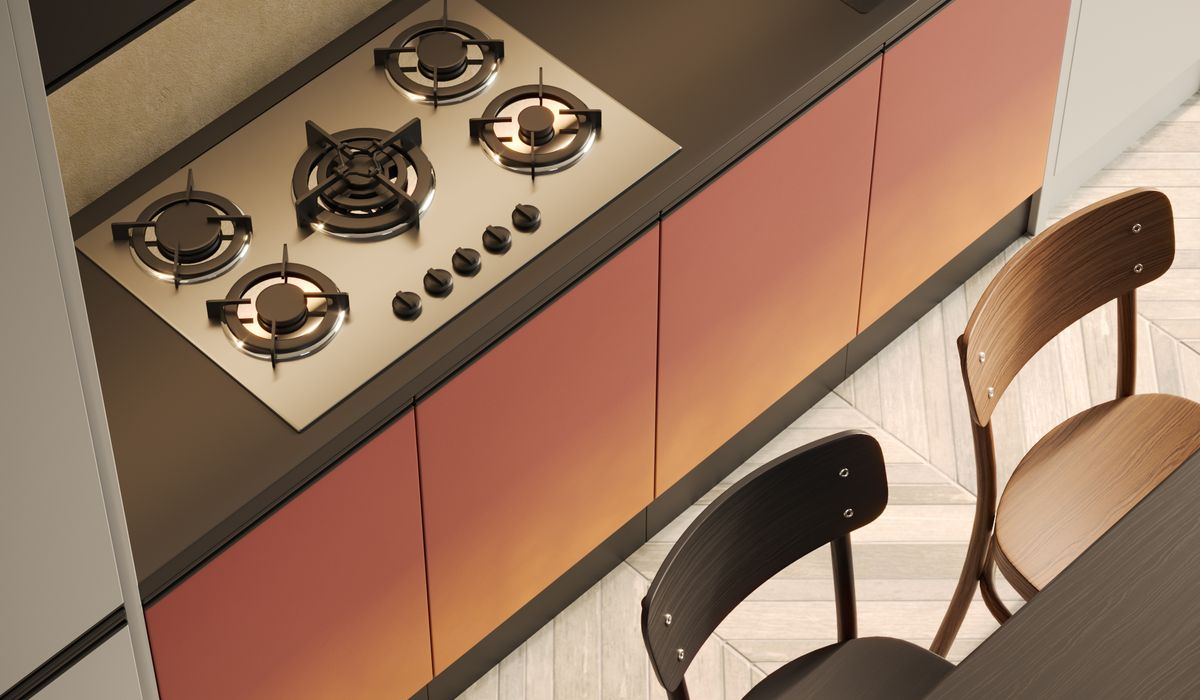
- Place a weathered farmhouse table in a kitchen with handleless matt cabinets.
- Use a vintage Persian rug under a low-slung contemporary sofa rather than a plush modern carpet.
- Hang a single abstract print in a simple black frame next to a small oil painting in a chipped gilt frame.
Materials matter as much as shape. A room filled with smooth, matte, machine-made surfaces can feel sterile, so introduce wood grain, aged brass, stoneware, wool and slightly worn leather. Texture is often what people mean when they say a room feels warm — and vintage pieces deliver it instantly.
A useful guideline is to keep roughly four-fifths of a room contemporary and one-fifth vintage. In a large living room that might mean two or three pieces; in a small bedroom, one is plenty. Grouping them helps too: a cluster of old ceramics on a modern shelf reads as a considered collection, whereas the same objects scattered around the house look like clutter.
Sourcing Sensibly and Looking After What You Buy
Charity shops, auction houses, house clearance sales, car boot fairs and online marketplaces are all worth the effort, but go with a list and a tape measure. Check the depth of a chair before you commit to it, and always inspect joints, drawers and upholstery in daylight. Loose frames can often be repaired cheaply; rips in original fabric are harder and more expensive to put right.
Surface wear is different. Patina — the small scratches, darkened edges and softened corners that come with age — is exactly what you are paying for, so do not rush to sand it away. Clean gently, wax bare wood sparingly, and leave brass to dull down naturally if you prefer. Where a piece is structurally sound but visually heavy, a simple reupholster in a plain linen or bouclé can transform it while preserving the frame.
Finally, remember that a home does not need to be finished. Vintage finds tend to arrive slowly, one at a time, over years of browsing and the occasional lucky Saturday morning. That gradual accumulation is what gives a modern interior its depth — and it is the part that no amount of money spent in a single afternoon can replicate.


Interiors
-
Wood, stone, and woven baskets bring spa-like calm to a bathroom, especially when paired with soft lighting and a restrained colour palette.
Small Spaces

-

Long established fact that a reader will be distracted
-

Long established fact that a reader will be distracted
-

Long established fact that a reader will be distracted


Styling
Karla Gleichauf
12 May 2017 at 05:28 pm
On the other hand, we denounce with righteous indignation and dislike men who are so beguiled and demoralized by the charms of pleasure of the moment
M Shyamalan
12 May 2017 at 05:28 pm
On the other hand, we denounce with righteous indignation and dislike men who are so beguiled and demoralized by the charms of pleasure of the moment
Liz Montano
12 May 2017 at 05:28 pm
On the other hand, we denounce with righteous indignation and dislike men who are so beguiled and demoralized by the charms of pleasure of the moment