

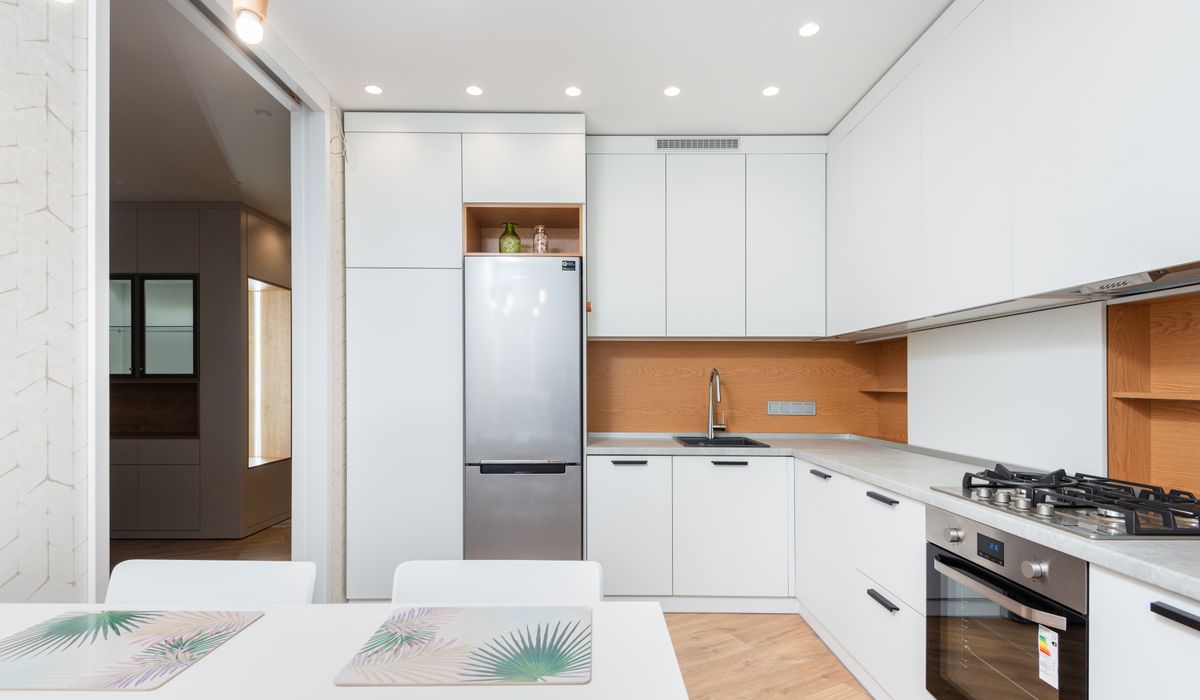
Creating a Relaxing Bathroom with Natural Textures
Why Natural Textures Work in a Bathroom
Bathrooms are often the smallest rooms in the house, yet they carry a lot of expectation. We want them to feel clean and practical, but also restful — a place to unwind rather than simply a stopgap between the bedroom and the kitchen. Natural textures are one of the most reliable ways to achieve that balance. Wood, stone, and woven materials bring warmth and tactility to a space that is otherwise dominated by smooth, hard, and sometimes clinical surfaces. The result is a bathroom that feels more like a spa retreat and less like a utility room.
The key is restraint. A bathroom filled with every natural material available will feel cluttered rather than calm. Instead, choose a small palette of textures and repeat them thoughtfully.
Choosing the Right Wood for a Bathroom
Wood is perhaps the most transformative material you can introduce. It softens the acoustics, warms the colour palette, and adds a natural grain that breaks up the flatness of tiles. In a bathroom, however, not all wood is suitable. Moisture is the obvious enemy, so look for species that are naturally resistant to rot and warping. Teak, iroko, and cedar are traditional choices, while reclaimed or thermally treated timber can also work well.
If you are using wood for a vanity top, shelf, or bath panel, seal it properly with a water-resistant oil or varnish. A matt finish will look more natural than a high gloss. For flooring, consider engineered wood with a real wood veneer, or porcelain tiles that mimic timber — these offer the look without the maintenance.
- Vanity units: A solid wood or wood-veneer cabinet adds warmth and hides clutter.
- Shelving: Narrow floating shelves in oak or ash are perfect for candles and small plants.
- Bath panels: Slatted wood panels create a gentle, Japanese-inspired feel.
- Accessories: A wooden bath tray, soap dish, or toilet-roll holder ties the scheme together.
Stone, Slate, and Ceramic Surfaces
Stone brings an earthy, grounded quality that pairs beautifully with wood. Limestone, travertine, and slate are all classic bathroom choices, though each has its own character. Limestone is soft and pale, ideal for a light and airy scheme. Slate is darker and more dramatic, working well as a floor or feature wall. Travertine has a subtle texture that catches the light without being busy.
Natural stone requires sealing and a little more care than ceramic, but the payoff is a surface that ages gracefully. If you prefer something lower-maintenance, look for porcelain tiles with a stone-effect finish. They are practical, easy to clean, and increasingly convincing.
Consider using stone in small doses. A single stone basin, a pebble mosaic splashback, or a chunky stone soap dish can be enough to introduce the texture without overwhelming the space.
Woven Storage and Soft Accessories
Woven baskets are the unsung heroes of a calm bathroom. They provide storage for towels, toiletries, and laundry while adding a relaxed, organic texture. Look for baskets made from seagrass, water hyacinth, or rattan — all of which are durable and moisture-tolerant. A large lidded basket in a corner can hide laundry, while smaller ones can sit on open shelves or beside the bath.
Soft accessories matter too. Choose towels in a natural fibre such as cotton or linen, and opt for a muted colour that echoes the wood and stone. A simple woven bath mat or a linen shower curtain will soften the hard edges of the room. Avoid synthetic materials where possible, as they can feel less breathable and less inviting.
Lighting and Colour to Tie It All Together
Even the most beautiful natural textures will fall flat under harsh, bright light. The goal is soft, layered illumination. Use a mix of overhead lighting on a dimmer, wall sconces beside the mirror, and a small lamp or candle for evenings. Warm white bulbs — around 2700K — will enhance the natural tones of wood and stone, whereas cool white light will make them look grey and clinical.
Your colour palette should be restrained. Think of a base of off-white, warm grey, or soft sand, then layer in the natural tones of your chosen materials. A single accent colour, such as muted sage or deep clay, can add interest without breaking the calm. Keep metals consistent — brushed brass or matt black work well with natural textures, while shiny chrome can feel too sharp.
Small Touches That Complete the Calm
Once the main elements are in place, a few finishing touches will make the room feel truly restful. Add a small potted plant or two — a fern, a peace lily, or a snake plant all cope well with bathroom humidity. A simple ceramic dish for soap, a stack of folded towels, and a candle or diffuser will complete the spa-like atmosphere.
Finally, think about what you remove as much as what you add. Clear the surfaces of clutter, hide what you can in woven baskets or wooden cabinets, and let the natural textures breathe. A relaxing bathroom is not about perfection; it is about creating a space that feels warm, grounded, and easy to be in.


Interiors
-
Switching to refillable cleaning products, repairing rather than replacing, and composting food waste can reduce household rubbish without adding extra stress.
Small Spaces


-

Long established fact that a reader will be distracted
-

Long established fact that a reader will be distracted
-

Long established fact that a reader will be distracted

Styling
Karla Gleichauf
12 May 2017 at 05:28 pm
On the other hand, we denounce with righteous indignation and dislike men who are so beguiled and demoralized by the charms of pleasure of the moment
M Shyamalan
12 May 2017 at 05:28 pm
On the other hand, we denounce with righteous indignation and dislike men who are so beguiled and demoralized by the charms of pleasure of the moment
Liz Montano
12 May 2017 at 05:28 pm
On the other hand, we denounce with righteous indignation and dislike men who are so beguiled and demoralized by the charms of pleasure of the moment