

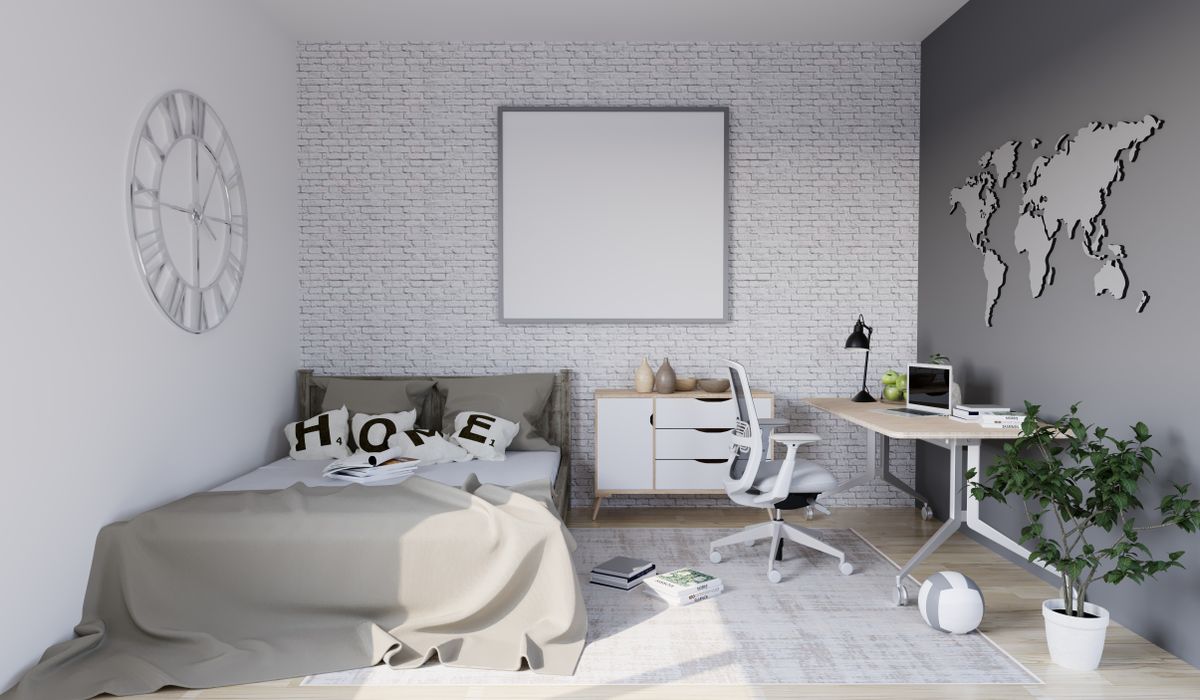
Sustainable Materials to Consider for a Kitchen Renovation
Why sustainable materials belong in a busy kitchen
A kitchen is the hardest working room in the house. It copes with steam, splashes, hot pans, and muddy hands. You want surfaces that take a knock, cabinets that wipe clean, and a scheme that still feels welcoming after the thousandth cup of tea. Sustainable materials are not just about lowering impact. Reclaimed timber, recycled glass, and low-VOC paints bring texture, depth, and a story that new composite surfaces struggle to match.
Choosing them is practical as well as ethical. Many sustainable options are durable, repairable, and easy to live with. They can also save money if you source carefully and accept the marks that come with reclaimed stock. Match the material to the job. A beautiful old pine floorboard makes a stunning shelf, but it will not thank you next to a boiling pan without protection.
Reclaimed timber: warmth with a history
Reclaimed timber adds instant character. Think old floorboards, roof joists, school gym flooring, or scaffold boards. Each piece has grain, nail holes, and colour variation that new timber rarely replicates. It also gives a second life to wood that might otherwise be burned or sent to landfill.
Use it for open shelving, cabinet doors, island cladding, worktops with care, and flooring. For worktops, choose dense hardwoods such as oak or teak, and seal properly. Softer woods dent and scratch, which can look lovely in a rustic setting but may frustrate in a busy family kitchen.
- Seal against moisture: Use hardwax oil or water-based lacquer. Re-oil worktops every few months.
- Check for pests and nails: Inspect every board. Remove old nails and treat any signs of woodworm.
- Allow for movement: Leave small gaps and fix with screws that allow slight movement.
Source reclaimed timber from architectural salvage yards, reclamation centres, and online marketplaces. Ask about its previous use. Old joists and floorboards are usually well seasoned, making them more stable than fresh green timber. If you need a consistent look, mix reclaimed boards with new FSC-certified timber and stain to blend.
Recycled glass worktops: tough, hygienic, and surprisingly colourful
Recycled glass worktops are made from crushed glass—often bottles, windows, or old splashbacks—combined with a resin binder. The result is a smooth, non-porous surface that resists stains and bacteria. Depending on the maker, they can contain a high proportion of recycled content, and the glass gives a subtle sparkle that changes with the light.
They are practical but not indestructible. They are not as heat-proof as some stone, so use trivets under hot pans. They can scratch, so use chopping boards. Warm soapy water is usually enough. Avoid abrasive creams that dull the finish.
Colour options are wider than you might expect. Green, blue, amber, and grey are common, and you can often choose the size and density of the glass chips. A pale, finely crushed glass looks understated; a bolder mix feels more artistic. Ask for a sample and view it in your own lighting.
Low-VOC paints and finishes: better air, richer colour
Paint covers more surface area than almost any other material, yet it is often overlooked. Conventional paints can release volatile organic compounds (VOCs) for days or weeks. Low-VOC and zero-VOC water-based paints have improved enormously. They now come in durable finishes for walls, ceilings, cabinet doors, and trim.
For kitchen cabinets, choose a hard-wearing water-based eggshell or satin. It resists grease and wiping better than matt emulsion. For walls, a washable matt or eggshell is sensible. If painting bare timber, use a water-based primer, let it dry, sand lightly, then apply topcoats.
Application matters. Ventilate well, even with low-VOC paint. Remove cabinet doors and lay them flat to avoid drips. Use a small foam roller for a smooth finish and a brush for edges. Two thin coats look better than one thick coat. Keep a little paint for touch-ups.
Other sustainable choices worth considering
- Cork flooring: Warm underfoot, renewable, and naturally resilient. Softer than tile, so dropped glasses are more likely to survive. Seal properly against water.
- Linoleum: Made from linseed oil, pine resin, and wood flour. Durable, easy to clean, and available in many colours. Check the label, as it is not the same as vinyl.
- Bamboo: A fast-growing grass. Choose FSC-certified strand-woven bamboo for worktops or flooring, as it is harder than many traditional hardwoods.
- Reclaimed tiles and bricks: Perfect for splashbacks, floors, or a feature wall. Clean thoroughly and seal if porous.
- Recycled aluminium or brass hardware: Handles, knobs, and taps made from recycled metal add a quiet sustainability story.
Planning a sustainable kitchen that lasts
Start with a clear list of what you need from each surface. A family kitchen needs stain resistance and easy cleaning. A keen baker needs a cool, sturdy worktop. A small kitchen needs light-reflecting finishes. Once you know the job, choose the material that does it best rather than following a trend.
Budget and lead times matter. Reclaimed timber can be cheaper than new hardwood, but you may need time to clean and prepare it. Recycled glass worktops are often made to order, so allow several weeks. Low-VOC paint costs a little more, but the difference is small across a whole room.
Order samples and live with them for a few days. Look at them in morning and evening light. Put a hot mug on them. Spill a little oil. See how they feel under your hand. The most sustainable kitchen is usually the one you keep for decades, so choose materials you will still love when the novelty has worn off. With care, reclaimed timber, recycled glass, and low-VOC finishes will give you a kitchen that is kinder to the planet and full of warmth.


Interiors
-
Rugs, lighting changes, and furniture placement can define separate zones in an open-plan room without building walls or losing the sense of space.

Small Spaces



-

Long established fact that a reader will be distracted
-

Long established fact that a reader will be distracted
-

Long established fact that a reader will be distracted




Styling
Karla Gleichauf
12 May 2017 at 05:28 pm
On the other hand, we denounce with righteous indignation and dislike men who are so beguiled and demoralized by the charms of pleasure of the moment
M Shyamalan
12 May 2017 at 05:28 pm
On the other hand, we denounce with righteous indignation and dislike men who are so beguiled and demoralized by the charms of pleasure of the moment
Liz Montano
12 May 2017 at 05:28 pm
On the other hand, we denounce with righteous indignation and dislike men who are so beguiled and demoralized by the charms of pleasure of the moment