

Small Kitchen Storage Solutions That Actually Work
Why Small Kitchens Fail (And How to Fix Yours)
Most compact kitchens don't struggle because they lack space. They struggle because the space they have is badly organised. A single deep cupboard can swallow an entire shelf's worth of belongings into an unreachable black hole, while a narrow gap beside the oven sits empty for years. The trick isn't squeezing in more units — it's making every centimetre you already own work harder.
Below are the storage solutions that genuinely earn their place in a small kitchen. They're practical, affordable, and — crucially — they keep the room feeling calm rather than crammed.
Pull-Out Drawers: The Single Best Upgrade
If you only make one change, make it this. Base cupboards with a single shelf and a door force you to kneel, reach, and rummage. A pull-out drawer glides the entire contents towards you, so you can see everything at a glance.
You don't need a full kitchen refit to get the benefit. Retrofit pull-out baskets and trays fit inside existing cupboards and cost a fraction of new units. Look for ones with soft-close runners and a weight capacity of at least 20kg if you plan to store pans or tinned goods.
- Under the sink: a two-tier pull-out keeps cleaning products and bin bags accessible without bending double.
- Larder units: narrow pull-outs just 150mm wide are perfect for spices, oils, and condiments.
- Corner base units: a pull-out carousel or a "magic corner" mechanism brings the back of the cupboard into reach.
A word of caution: measure the internal width of your cupboard, not the door width, and check that hinges and pipework won't obstruct the runners.
Make the Most of Vertical Space
Floor space is precious, but wall space is usually wasted. Think upwards before you think outwards.
Wall-mounted rails with hooks are the classic solution, and for good reason — they cost very little, require no drilling if you use adhesive versions, and free up drawers instantly. Hang utensils, mugs, chopping boards, and even small pans. A rail above the hob keeps utensils within arm's reach while cooking, which is exactly when you need them.
For a slightly more polished look, floating shelves in a narrow gap beside a window or above a splashback add storage without eating floor area. Keep the contents styled and sparse — a row of matching jars, a stack of bowls — so the shelf reads as display rather than clutter.
Don't overlook the space above wall units. If your ceiling height allows, a single run of baskets up there is ideal for rarely used items: seasonal serving dishes, spare glasses, bulk purchases.
Clever Corner Units and Awkward Gaps
Corners are the graveyard of small kitchens. A standard L-shaped corner base unit looks roomy but delivers maybe half its volume in usable space, because anything pushed to the back is effectively lost.
- Le Mans-style pull-outs: trays that swing out and forward on a curved mechanism, bringing the whole corner towards you.
- Corner carousels: a simple rotating tray, usually two tiers, that puts everything within a half-turn.
- Diagonal corner units: a single angled door with an internal pull-out gives easier access than two narrow doors meeting in a dead zone.
Then there are the gaps. The 100mm slot between a fridge and a wall, the slim space beside a washing machine, the void above the fridge. Slimline pull-out trolleys (often just 120mm wide) turn these into storage for bottles, baking trays, or cleaning supplies. A simple over-fridge shelf unit, or a sturdy basket set on top, handles bulky items you use infrequently.
Smarter Ways to Store Everyday Items
Some of the biggest gains come from rethinking what goes where.
Plates and bowls: store them vertically in a shallow drawer or a rack rather than in tall stacks. You'll fit more in and stop the daily game of "slide the top plate off without toppling the pile".
Pans and lids: a slotted rack inside a deep drawer keeps pans upright and separated. Lids store neatly on a dedicated rail inside a cupboard door.
Cutlery and utensils: shallow divided inserts inside a drawer beat a countertop caddy every time, and they keep worktops clear.
Dry goods: decant into square or stacking airtight containers. Square containers use around 20% less shelf space than round ones, and you can see exactly what you're running low on.
Under-used appliances: if you use the slow cooker twice a year, it belongs on a high shelf, not in prime cupboard real estate. Be honest about this — it's the fastest way to free up space.
Keeping It From Feeling Cramped
Storage that works shouldn't look like storage. A few principles keep a small kitchen feeling generous rather than packed.
- Stick to one or two finishes. Matching baskets, jars, and containers create visual calm; a jumble of mismatched plastic does the opposite.
- Leave a little breathing room. A shelf that's 80% full looks curated. One at 100% looks like a storage crisis.
- Keep worktops mostly clear. The point of all this clever storage is that your surfaces stay free for actual cooking.
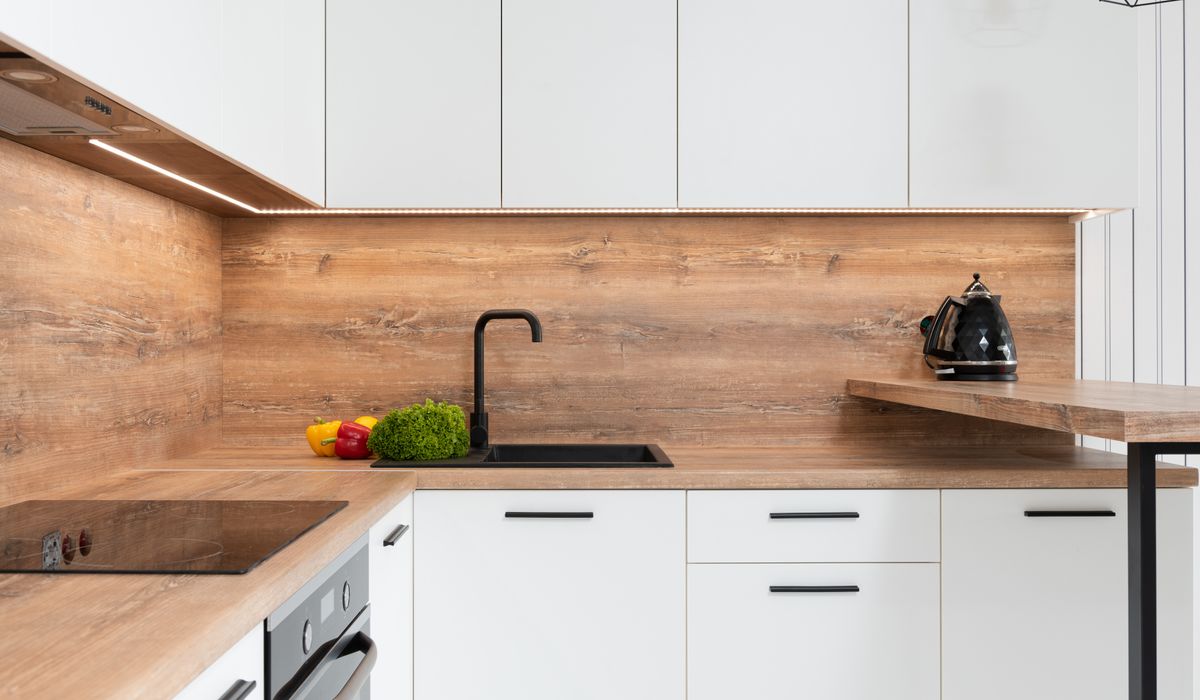
- Go light and reflective where you can. Pale doors, glossy finishes, and good under-cabinet lighting make a narrow galley feel wider without changing a single dimension.
Start with the cupboard that irritates you most — usually the corner or the one under the sink — and fix that one properly. Small, targeted changes like these tend to have the biggest effect on how a compact kitchen actually feels to use every day.


Interiors
-
Removing doors, labelling hardware, and using a foam roller can help you achieve a factory-smooth finish when updating tired kitchen cabinets at home.

Small Spaces




-

Long established fact that a reader will be distracted
-

Long established fact that a reader will be distracted
-

Long established fact that a reader will be distracted




Styling
Karla Gleichauf
12 May 2017 at 05:28 pm
On the other hand, we denounce with righteous indignation and dislike men who are so beguiled and demoralized by the charms of pleasure of the moment
M Shyamalan
12 May 2017 at 05:28 pm
On the other hand, we denounce with righteous indignation and dislike men who are so beguiled and demoralized by the charms of pleasure of the moment
Liz Montano
12 May 2017 at 05:28 pm
On the other hand, we denounce with righteous indignation and dislike men who are so beguiled and demoralized by the charms of pleasure of the moment